Understanding Whole House Repiping Services Tampa
What is Whole House Repiping?
Whole house repiping is the comprehensive process of replacing all the pipes within a residential property. It typically involves removing aging or damaged plumbing systems and replacing them with new materials, such as copper or PEX (cross-linked polyethylene). This service is essential for residences facing frequent plumbing issues or deteriorating pipe infrastructure. Homeowners can experience a plethora of problems ranging from low water pressure to discolored water, all of which can often be traced back to old piping systems. By opting for whole house repiping services Tampa, homeowners can ensure a reliable and efficient plumbing system.
Signs You Need Whole House Repiping
Recognizing when to undergo whole house repiping is crucial for maintaining your home’s plumbing integrity. Here are common signs indicating that it might be time to consider this extensive service:
- Frequent Leaks: If you find yourself constantly repairing leaks in different areas of your home, it can indicate that your plumbing system is past its lifespan.
- Low Water Pressure: Diminished water flow from taps and showers can signal blocked or corroded pipes that need replacement.
- Discolored Water: If your tap water has a brown or rusty hue, this can suggest the rust and corrosion of old pipes, which can be harmful to your health.
- Recurring Plumbing Noises: Sounds such as banging or gurgling can suggest insufficient air flow within the pipes or other underlying issues.
- Old Pipe Materials: Homes built prior to the 1970s may have outdated materials like galvanized steel, which can significantly degrade over time.
Benefits of Whole House Repiping Services Tampa
Investing in whole house repiping offers numerous advantages that enhance both the functionality and value of your home:
- Improved Water Quality: New pipes can help ensure cleaner drinking water, free from rust or contaminants.
- Increased Property Value: A modern plumbing system can make your home more appealing to potential buyers, enhancing resale value.
- Fewer Plumbing Emergencies: A new, reliable plumbing system reduces the chances of emergency repairs, giving homeowners peace of mind.
- Better Water Pressure: Enjoy full water flow in showers and faucets without the annoying dips in pressure due to old pipes.
- Eco-Friendly Options: Modern piping materials are often more energy-efficient, contributing to lower water and energy bills.
The Repiping Process Explained
Initial Assessment and Planning
The repiping process begins with an assessment of your current plumbing system. A professional plumber examines your pipes to determine their condition and identifies which areas require immediate attention. During this stage, they may use diagnostic tools like video cameras to inspect hard-to-reach spots. The plumbing team will work with you to discuss the most appropriate repiping options, taking into consideration your home’s layout and your budget.
Materials Used for Repiping
The choice of materials is crucial for the longevity and effectiveness of the new plumbing system. The primary options include:
- Copper Pipes: Known for their durability and long service life, copper pipes resist corrosion and are effective in preventing bacteria growth.
- PEX Pipes: PEX is flexible and easier to install than copper, allowing for fewer fittings and joints. It also holds up well against freezing temperatures.
- CPVC Pipes: Chlorinated Polyvinyl Chloride is another option often used for hot and cold water supply lines, being resistant to corrosion and damage.
Step-by-Step Repiping Procedure
The actual process of repiping involves several key stages:
- Preparation: This includes shutting off the water supply, draining existing systems, and protecting your home during installation.
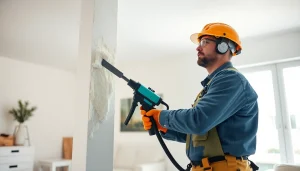
- Removing Old Pipes: Once the area is prepared, the old pipes are carefully removed. This may involve cutting into walls or ceilings.
- Installing New Pipes: New pipes are installed in accordance with local plumbing codes, ensuring proper connections and layouts.
- Testing: After installation, the new system is thoroughly tested for leaks and proper function.
- Cleanup: The area is restored to its original state, with any excess debris removed.
Choosing the Right Plumbing Service
Factors to Consider When Selecting a Company
Choosing a skilled and reliable plumbing service for your repiping project is essential. Here are key factors to consider:
- Experience: Look for companies with a long history and a successful track record in residential repiping.
- Licensing and Insurance: Ensure that the plumbing service is licensed to operate in your area and carries liability insurance for protection.
- Reviews and Testimonials: Check online reviews and seek recommendations to gauge customer satisfaction and service quality.
- Transparency: A good plumbing service should provide clear and detailed estimates without hidden costs.
Questions to Ask Your Plumber
When interviewing potential plumbing services, asking the right questions can help ensure you make an informed decision:
- What type of materials do you recommend for repiping, and why?
- How long do you estimate the entire repiping process will take?
- Will you provide references from previous customers?
- What warranties do you offer on materials and workmanship?
- How do you handle unexpected issues or costs during the project?
Checking Certifications and References
Before making a final choice, verify the plumber’s credentials:
- Request and confirm their business license and relevant certifications.
- Ask for at least three references, and contact them to ask about their experiences.
- Look for any affiliations with professional organizations, which can be a mark of credibility.
Cost Factors for Whole House Repiping Services Tampa
Average Costs Based on Home Size
The cost of whole house repiping can vary significantly based on several factors, including the size of your home. A rough estimate is as follows:
- Small Homes (up to 1,200 sq. ft.): $4,000 – $7,000
- Medium Homes (1,200 – 2,500 sq. ft.): $7,000 – $12,000
- Large Homes (over 2,500 sq. ft.): $12,000 – $20,000+
Potential Additional Expenses
While planning your budget, keep in mind potential additional costs related to repiping:
- Permit Fees: Depending on local regulations, obtaining permits may add to overall costs.
- Restoration Costs: Consider expenses associated with drywall repairs, painting, or floor replacement following pipe installation.
- Temporary Relocation: If extensive work is required, you might need to vacate your home temporarily, increasing expenses.
Tips for Budgeting Your Repiping Project
To effectively budget for your repiping project, consider these tips:
- Get Multiple Quotes: Always gather estimates from various plumbing companies to ensure competitive pricing.
- Prioritize Needs: Identify urgent plumbing issues that require immediate attention to manage costs.
- Plan for Contingencies: Allocate an additional 10-15% of your budget for unexpected expenses that may arise during the project.
Maintaining Your New Plumbing System
Routine Maintenance Tips
Once you have successfully completed whole house repiping, establishing a routine maintenance schedule can enhance the life of your new plumbing system:
- Regular Inspections: Schedule annual plumbing inspections to catch issues early before they escalate.
- Monitor Water Pressure: Keep an eye on water pressure; if it fluctuates, consult a plumber to evaluate your system.
- Flush Water Heater: Ensure efficient operation by flushing your water heater annually to remove sediment buildup.
Signs of Plumbing Issues to Watch For
Be vigilant for warning signs that may indicate plumbing problems following repiping:
- Visible leakage or water damage on walls or ceilings.
- The sound of water running when no taps are in use, indicating potential hidden leaks.
- Inconsistent water pressure or unexpected temperature changes in your water supply.
Long-Term Care of Your Plumbing System
To maintain the quality of your new plumbing system, consider these strategies:
- Educate Your Family: Teach family members how to care for the plumbing, such as avoiding flushing inappropriate items or pouring grease down drains.
- Address Issues Quickly: Don’t ignore minor leaks or issues, as they can compound into more significant problems down the line.
- Invest in Water Softeners: If your area has hard water, using water softeners can reduce mineral buildup inside plumbing, extending its life.
Frequently Asked Questions
What is the lifespan of repiping materials?
The lifespan of quality repiping materials like PEX can exceed 50 years, ensuring longevity and reliability.
How long does a whole house repiping take?
The entire process typically takes 1-3 days, depending on your home’s size and complexity of the plumbing system.
Will I need to leave my home during repiping?
While some work may require temporary relocation, many homeowners can stay with precautions in place, especially during less invasive work.
Is repiping covered by homeowners insurance?
Coverage depends on the cause of the piping issue; check with your insurance provider for specifics to understand your policy better.
What type of pipes should I choose for repiping?
Common options include PEX and copper; PEX is more flexible, cost-efficient, and increasingly favored for residential projects.