
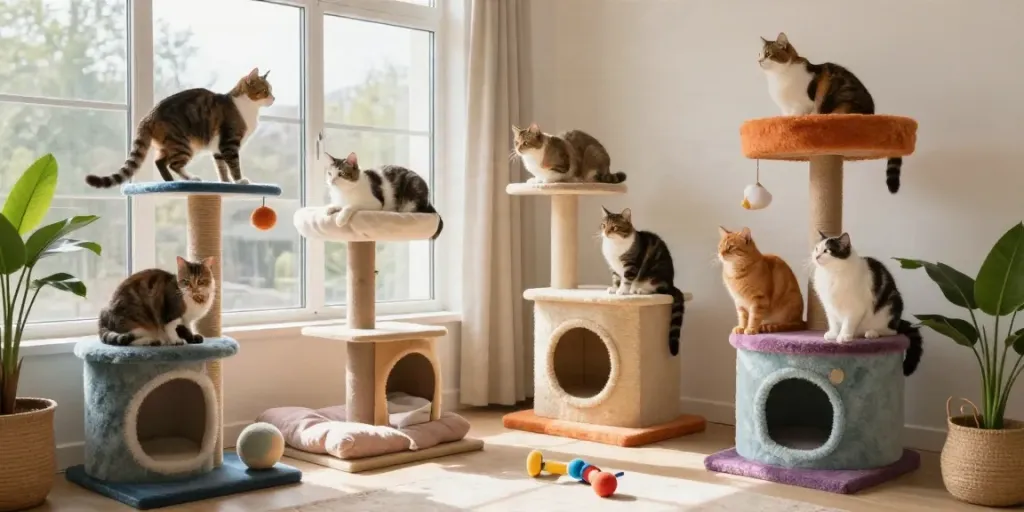
The Importance of Choosing the Right Cat Tree
When it comes to creating a stimulating environment for your feline friend, the choice of a cat tree plays an essential role. A cat tree not only serves as a playground and a resting place, but it also fulfills a cat’s natural instincts to climb, scratch, and explore. With various options available in the market, taking time to select the right one can significantly impact your cat's happiness and health. When exploring options, cat tree collections offer comprehensive insights into suitable designs and features tailored for your needs.
Why Cat Trees Matter for Your Cats' Wellbeing?
Cat trees are vital for enriching a cat's living space, offering numerous benefits that contribute to their overall wellbeing. Cats are instinctively territorial and enjoy vertical spaces where they can observe their surroundings. A thoughtfully placed cat tree can provide that vantage point, helping to reduce feelings of anxiety or stress that may accompany confinement in a flat environment.
Additionally, cat trees can aid in maintaining a cat's physical health. The climbing and jumping involved in using a cat tree promotes exercise, keeping your cat agile and fit. Moreover, many cat trees are equipped with scratching posts, which help cats maintain their claws and can deter unwanted scratching on household furniture.
Common Misconceptions About Cat Trees
Despite the evident advantages, several misconceptions about cat trees persist. One common myth is that cat trees are only necessary for active or young cats. In reality, even older or less active cats benefit from having designated spaces to rest, perch, and play. Another misconception is that cat trees take up too much space; however, many modern designs are compact and can fit well even in smaller homes, offering a balance between functionality and spatial efficiency.
Benefits of Multi-Level Cat Trees
Multi-level cat trees maximize the vertical space in your home, catering to a cat’s instinctual climbing behavior. These structures not only provide various resting spots but also encourage interactive play. With shelves and hideaways, multi-level cat trees can stimulate your cat's curiosity and reduce boredom, which is particularly crucial for indoor cats.
Furthermore, having multiple levels allows several cats to coexist peacefully, as they can have their own space while still being close to each other. This feature is particularly beneficial in multi-pet households, providing opportunities for both social interaction and individual retreat.
Types of Cat Trees on the Market
With the increasing popularity of cat trees, a wide variety of options are now available to fit different aesthetics, functionalities, and budgets. Understanding the different styles can help you make an informed choice that best suits your cat's lifestyle and your home decor.
Traditional vs. Modern Cat Trees
Traditional cat trees often feature a bulky design with classic scratching posts and hideaways, typically made from materials like carpet and sisal. These structures provide stability and durability, making them a suitable choice for larger cats or households with multiple felines. Conversely, modern cat trees emphasize sleek designs and often incorporate minimalist materials, focusing on aesthetics while still catering to a cat's needs. Many modern options, like wall-mounted shelves, take up less floor space and can blend seamlessly into contemporary home designs.
Materials Used in Cat Tree Construction
Quality is crucial when selecting a cat tree, and the materials used in its construction can significantly affect durability and safety. Common materials include:
- Carpet: Provides comfort and encourages scratching.
- Sisal Rope: Ideal for scratching posts, promoting claw health.
- Wood: Offers a sturdy base and can elevate the aesthetic appeal.
- Fabric: Soft materials can enhance comfort for resting areas.
When selecting a cat tree, it's essential to choose high-quality materials that can withstand wear and tear, especially in households with active cats.
Considerations for Large or Multiple Cats
For homes with larger cats or multiple pets, it's critical to choose a cat tree that can support their weight and activity level. Opt for a robust design that features wide bases for stability and multiple levels to reduce potential conflicts over space. Additionally, consider the height of the tree; taller trees can cater to climbing instincts and provide panoramic views that many cats enjoy.
How to Select the Best Cat Tree for Your Home
Choosing the right cat tree entails understanding your cat's specific needs and preferences, evaluating your living space, and setting a budget that allows for quality without compromising your finances.
Assessing Your Cat’s Needs and Preferences
Every cat is unique, and understanding their individual personalities can guide your selection process. Observe how your cat behaves—does it prefer high places, or does it gravitate towards cozy enclosed spaces? Furthermore, consider the age and activity level of your cat; younger cats may require more stimulating environments, while older cats might seek comfort and ease of access.
Space Considerations for Cat Trees
Before purchasing, measure the area where you plan to place the cat tree. Ensure that there is adequate space not just for the tree but also for your cat to navigate around it comfortably. Look for designs that fit your available space while maximizing verticality, allowing your cat to explore without feeling confined.
Budgeting for a Quality Cat Tree
Investing in a quality cat tree can range from affordable options to luxury models. While it might be tempting to choose the cheapest option, remember that a durable and well-constructed cat tree can provide years of enjoyment for both you and your pet. Allocate a budget that reflects your cat’s needs as well as your financial situation, and look for sales or reviews that provide insight into the best value products.
Maintenance Tips for Cat Trees
To ensure longevity and safety, regular maintenance of your cat tree is essential. Here are some best practices to keep in mind for caring for your cat's favorite furniture.
Cleaning and Care Best Practices
Regular cleaning can prevent the buildup of allergens and odors. Vacuum the surfaces of the cat tree frequently, especially around scratching posts where debris tends to accumulate. For fabric surfaces, use mild detergent to spot-clean any stains, ensuring that all products are safe for pets. Periodically check for loose components or wear and tear, tightening screws as necessary to maintain stability.
Signs Your Cat Tree Needs Replacement
Even the best cat trees have a lifespan, and understanding when to replace them is crucial. Signs include:
- Wobbling or instability during use.
- Torn fabric or severely frayed scratching posts.
- Unpleasant odors that cannot be cleaned.
If you notice any of these signs, it may be time to invest in a new cat tree to ensure your cat’s safety and comfort.
How to Reinforce Stability in Cat Trees
If your cat tree feels unstable, there are ways to enhance its stability. Consider anchoring it to a wall or using anti-tipping hardware to prevent accidents, especially for taller designs. Additionally, placing heavier items at the base can lower the center of gravity and create a stronger foundation for playful jumps.
Future Trends in Cat Tree Design
As the pet industry evolves, so do the designs and functionalities of cat trees. Staying informed about emerging trends can help you choose a product that suits the modern lifestyle of both you and your pet.
Innovative Features to Look for in 2026
Future cat trees are likely to incorporate customizable features, allowing pet owners to personalize the design according to their home and cat's preferences. Look for modular designs that can be expanded or altered as necessary, including interchangeable parts for different activities.
Eco-Friendly Materials and Sustainability
With a growing focus on sustainability, many manufacturers are beginning to use eco-friendly materials in cat tree production. Options made from recycled or sustainably sourced materials can present a guilt-free choice for environmentally-conscious pet owners.
Smart Technology Integration in Cat Trees
Smart technology is making its way into pet products, and cat trees are no exception. Features like embedded sensors or connectivity to apps may soon allow you to monitor your cat's activity and health, transforming the traditional cat tree into a smart fitness platform for your pet.
What Should You Look for When Choosing a Cat Tree?
When shopping for a cat tree, prioritize features that align with your cat's lifestyle, such as:
- Sturdy construction to support the cat's weight.
- Sufficient scratching surfaces to satisfy their natural instincts.
- Multiple levels for climbing and exploration.
Additionally, consider designs that fit seamlessly into your home decor to enhance the overall aesthetic.
Are Cat Trees Worth the Investment for Indoor Cats?
Absolutely; cat trees provide essential benefits for indoor cats, particularly by promoting physical activity, reducing stress, and satisfying natural instincts. Investing in a quality cat tree can lead to a happier, healthier, and more contented feline companion.
How to Encourage Your Cat to Use Their Tree?
To entice your cat to explore their new tree, incorporate toys and treats to create positive associations. Place familiar items, like a favorite blanket or toy, on the tree to encourage use. Additionally, be patient and allow your cat to explore at their own pace without forcing them to interact.
What Makes a Cat Tree Stand Out From the Rest?
Unique features such as modular designs, eco-friendly materials, and aesthetic appeal can make certain cat trees more appealing than others. Assessing the brand's reputation and user reviews can also guide your decision in choosing a standout product that combines functionality and style.
How Often Should a Cat Tree Be Replaced?
The lifespan of a cat tree can vary widely depending on usage and construction quality. Generally, it's advisable to replace a cat tree every 3 to 5 years, or sooner if you notice signs of wear, to ensure your cat's safety.
Are There Custom Options for Cat Trees?
Yes, many manufacturers are now offering customizable cat trees, allowing pet owners to choose specific sizes, colors, and features that best match their home environment and their cat's preferences. Custom options can be particularly useful for accommodating unique spaces or requirements.